

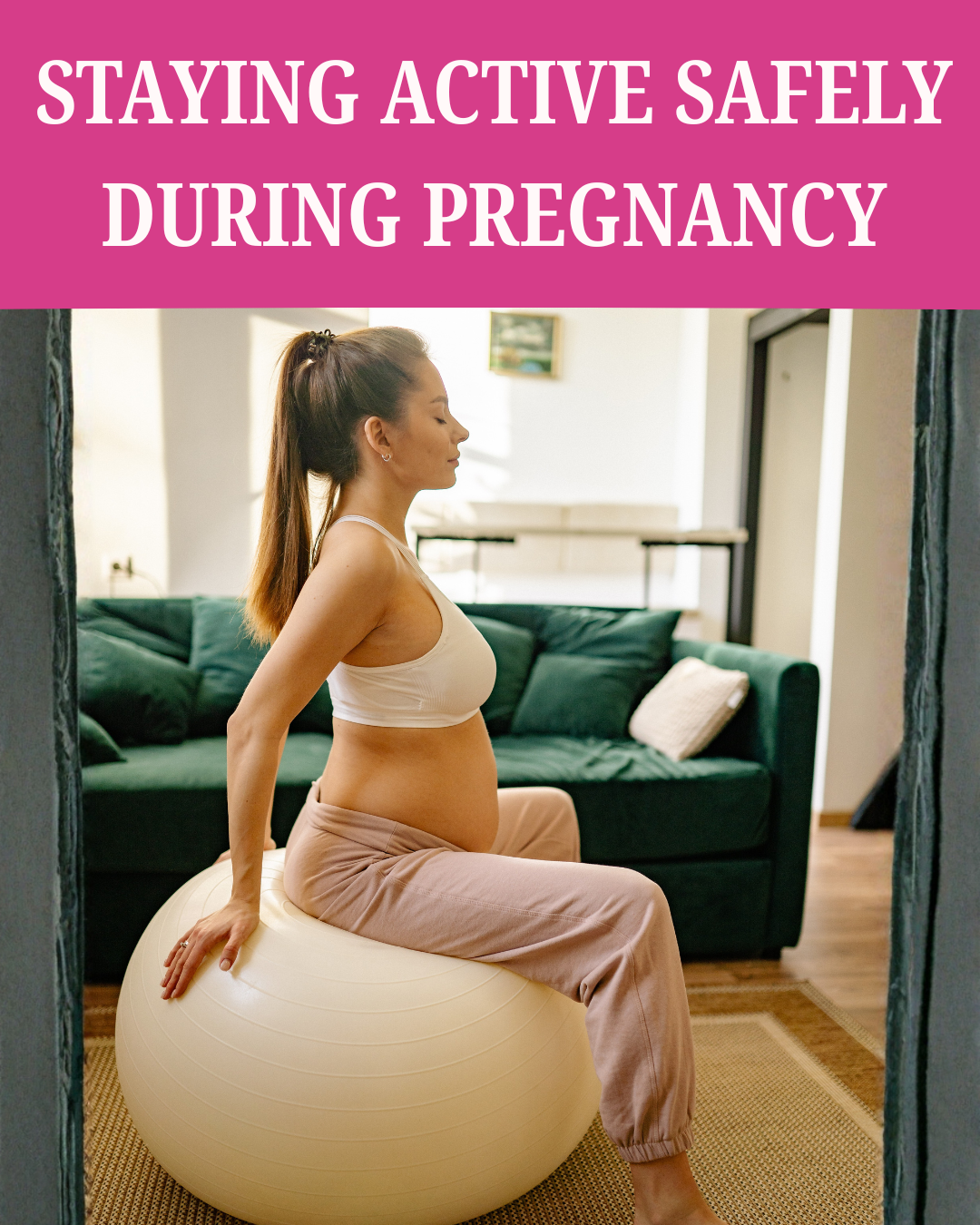
During pregnancy, there’s often a quiet question that sits in the background:
What should I be doing to prepare for birth?
For many women, the answer doesn’t lie in doing more, it lies in moving gently, consistently and in a way that feels good in your body.
Staying active during pregnancy isn’t about pushing yourself or following a strict routine. It’s about creating space for your body to move, release tension, build strength and feel supported as it prepares for labour.
At Elle TENS, we believe preparation should feel calming, not overwhelming. And movement is one of the simplest ways to support both your body and your mind.
Movement That Feels Supportive, Not Stressful
There’s no “perfect” pregnancy exercise routine. What matters most is how your body feels.
Some days you might feel energised and ready to move. Other days you may need rest, stillness or slower movement. Both are valid.
Gentle, regular movement can help you feel more connected to your body as it changes, while also supporting circulation, reducing tension and encouraging a sense of calm.
This kind of movement isn’t about intensity; it’s about consistency and listening to what your body is asking for.
Walking: Simple, Grounding and Effective
Walking is one of the most accessible and supportive forms of movement during pregnancy.
It doesn’t require special equipment or planning, and it can be adapted to how you’re feeling each day. A slow walk around the block, a gentle stroll with a friend, or even just moving around your home can all contribute.
Walking encourages circulation, supports your posture and can help your body stay relaxed and mobile as you move closer to labour.
It also offers something just as important, a chance to breathe, reset and clear your mind.
Stretching: Releasing Tension and Creating Space
As your body changes, it’s common to feel tightness through the hips, lower back and shoulders.
Gentle stretching can help release this tension and create more comfort in your day-to-day movement. It can also support your body in finding positions that may feel helpful during labour.
Slow, mindful stretching, particularly through the hips and lower back, allows your body to soften and adapt, rather than resist the changes happening.
Even a few minutes of stretching each day can make a noticeable difference.
Pregnancy Yoga: Movement With Breath and Awareness
Pregnancy yoga offers a beautiful combination of movement, breath and relaxation.
Rather than focusing on fitness, it focuses on connection, helping you tune into your body, your breath and your baby. Many women find it helps them feel calmer, more grounded and more prepared for the rhythm of labour.
Yoga can also introduce positions and breathing techniques that feel familiar when labour begins, making it easier to return to those tools when you need them.
It’s not about flexibility or performance, it’s about awareness and ease.
Pelvic Floor Awareness: Strength and Release
The pelvic floor plays an important role during pregnancy and birth, but it’s often misunderstood as something that only needs to be “strengthened.”
In reality, the pelvic floor also needs to be able to relax and release, particularly during labour.
Developing awareness of this area; learning how to gently engage and fully relax, can help your body respond more naturally during birth.
Many women find that working with a women’s health physiotherapist or learning simple breathing and relaxation techniques helps build this awareness in a supportive way.
Movement as Preparation for Labour
Labour is not a static experience. It’s dynamic, physical and often instinctive.
When your body is used to gentle movement, it can feel easier to:
- Change positions
- Stay upright
- Respond to what feels comfortable
- Work with contractions rather than against them
Movement during pregnancy isn’t about preparing for a “perfect” labour, it’s about helping your body feel familiar with motion, flexibility and support.
Supporting Movement in Early Labour
When labour begins, many women naturally want to move - to walk, sway, lean or shift positions.
This is where tools like Elle TENS can quietly support you.
Because Elle TENS is portable and doesn’t restrict movement, it allows you to stay upright and active in early labour. You can continue walking, leaning over a bench or birth ball, or moving in ways that feel instinctive, while still having consistent, grounding support.
For many women, this combination of movement and steady sensation helps them feel more in control and connected to their body.
Listening to Your Body Above All Else
Every pregnancy is different, and the most important guide you have is your own body.
If something feels good, supportive and comfortable, it’s likely helping. If something feels too much, it’s okay to step back, rest and adjust.
There is no pressure to do more than what feels right for you.
A Gentle Approach to Preparation
Preparing for labour doesn’t need to feel overwhelming or structured. It can be simple, calm and intuitive.
Walking, stretching, breathing, resting, moving when you feel like it - these small, consistent moments all contribute to how supported you feel as your body prepares for birth.
Because your body already knows what to do, sometimes it just needs the space and support to do it.


